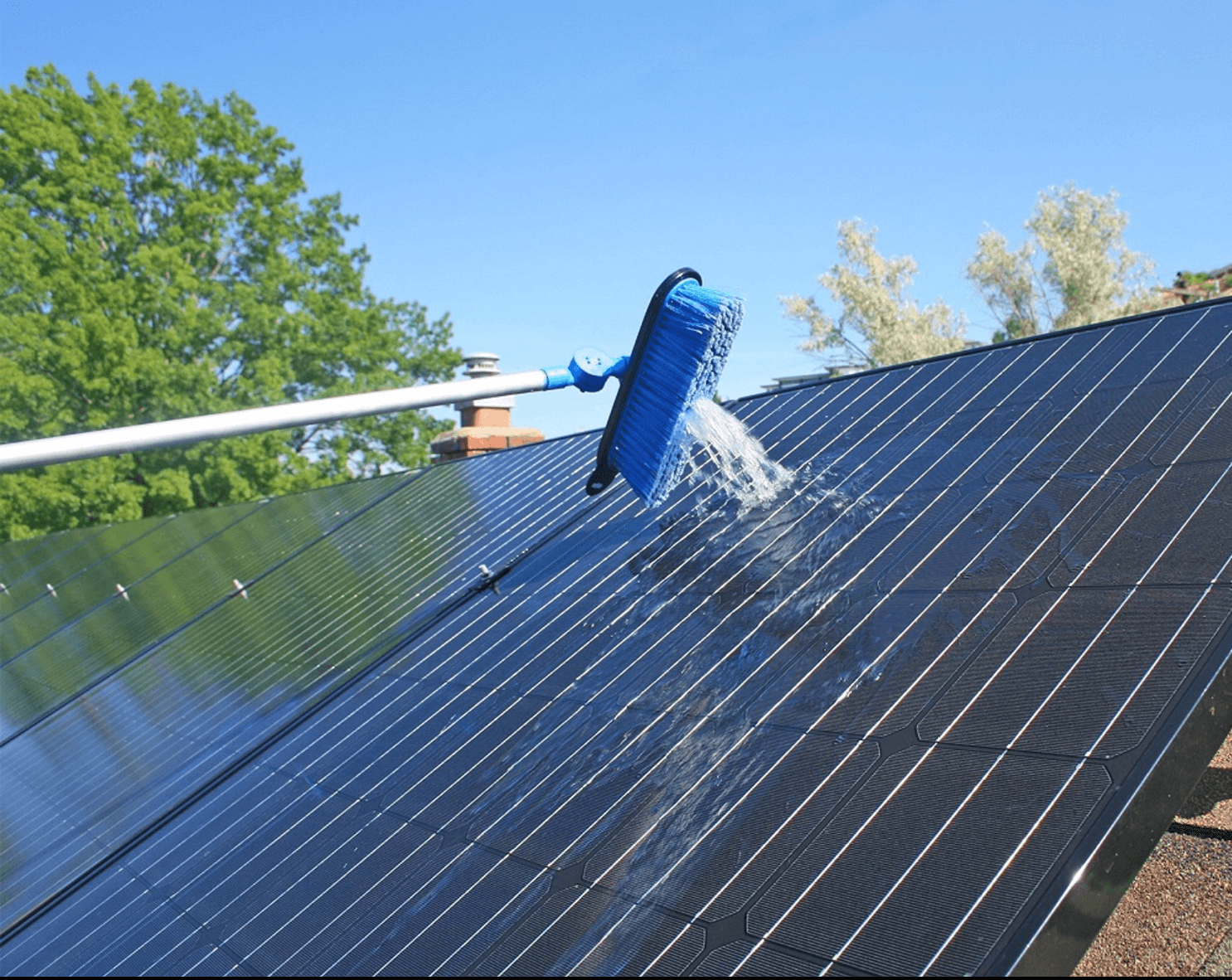
Keeping your solar panels clean is one of the easiest and most overlooked ways to improve your system’s performance.
Over time, dust, pollen, smog, bird droppings, and debris build up on the surface of the panels, blocking sunlight and reducing energy output. In some cases, dirty panels can lose 10–30% efficiency or more.
As someone who has worked in the solar industry for years, I can tell you this: a small cleaning routine combined with the right tools can dramatically boost your system’s production.
In this guide, I’ll show you the best solar panel cleaning equipment, when to use each tool, and how to clean your panels safely without damaging them.
Why Cleaning Your Solar Panels Matters
Even though solar panels are designed to withstand harsh weather, they are not self-cleaning. Dirt accumulation reduces the amount of sunlight the solar cells absorb, which means lower electricity production.
Common causes of dirty solar panels include.
- Dust from nearby roads or construction
- Bird droppings
- Pollen during certain seasons
- Salt spray near coastal areas
- Pollution particles in urban zones
A good cleaning routine combined with the right equipment ensures.
- Better performance
- Longer panel lifespan
- Lower electricity bills
- Accurate system monitoring
Best Solar Panel Cleaning Equipment
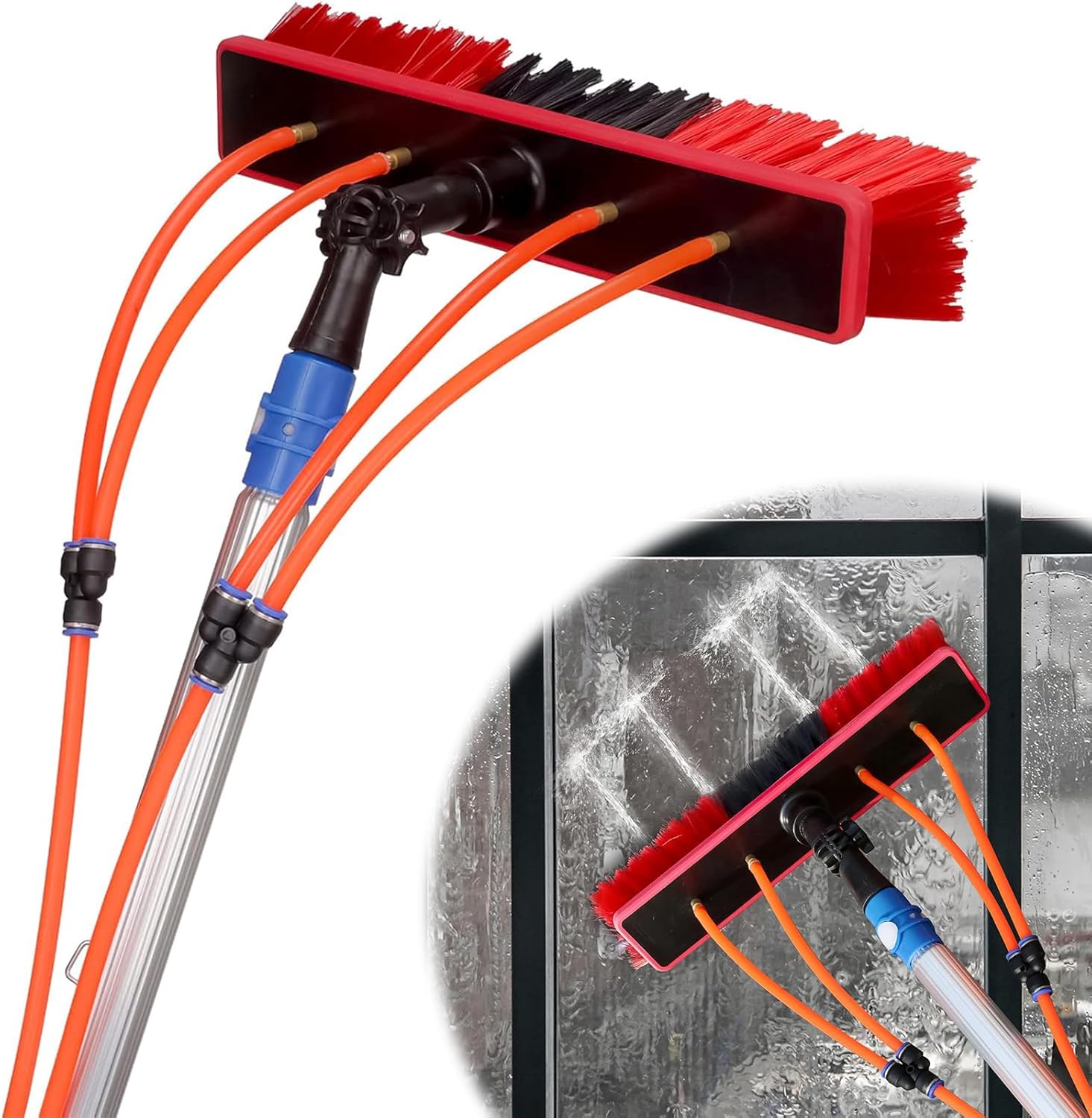
Water-Fed Pole Cleaning Kits (Best Overall)
Now let’s go through the best solar panel cleaning equipment available today.
If you want the perfect combination of safety, reach, and efficiency, nothing beats a water-fed pole system.
Why It’s the Best
- Allows cleaning from the ground (no ladder needed)
- Built-in water flow removes dirt faster
- Telescopic poles reach up to 30–40 ft
- Compatible with purified or deionized water
- Soft-bristle brush prevents scratches
Perfect for
- Homes with panels on second-story roofs
- Large residential systems
- Commercial arrays
Pro Tip
Use deionized (DI) water to avoid leaving mineral spots.
Solar Panel Cleaning Brushes (Manual or Telescopic)
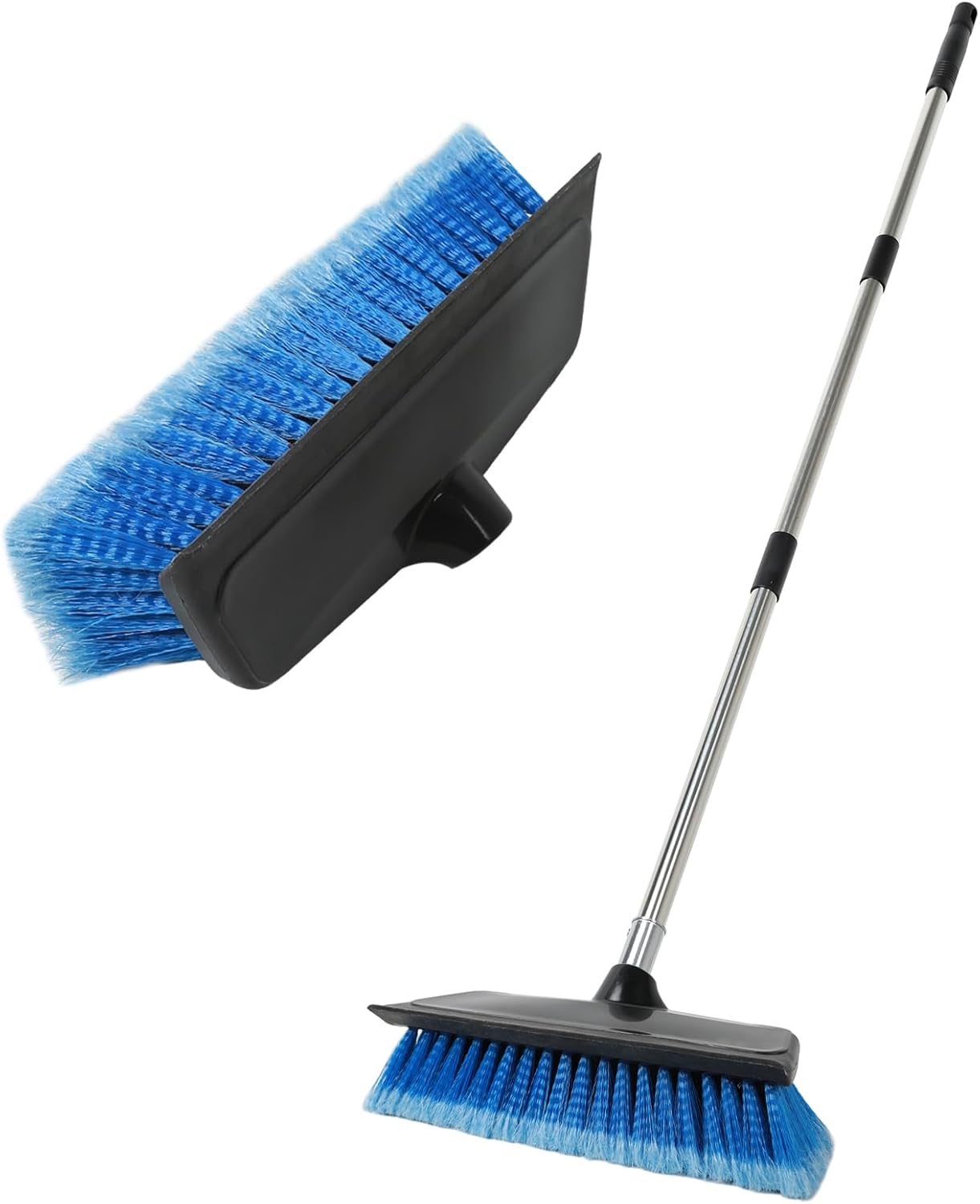
If you prefer a simple and cost-effective option, a soft-bristle solar panel brush works well. These brushes are designed to remove dust and dirt without scratching the glass surface.
Best Features
- Lightweight
- Extremely gentle on panel glass
- Available in aluminum or carbon-fiber extensions
- Affordable
Types
- Standard brush—for easy-to-reach panels
- Telescopic brush—for roof-mounted systems
- Brush and squeegee combo—for fast drying
Professional Solar Panel Cleaning Kits
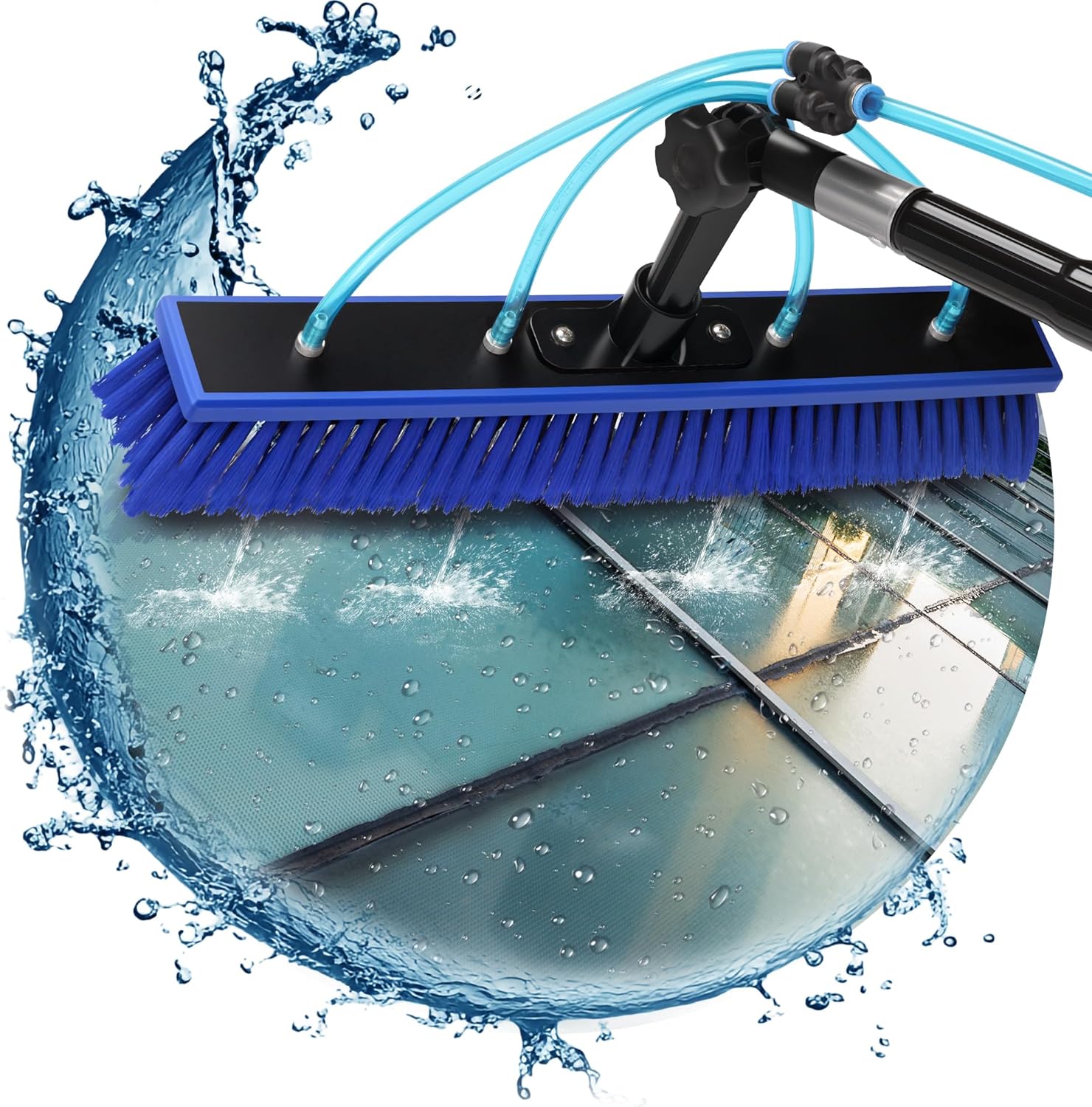
These kits often include
- Rotating brushes
- Water-fed systems
- Telescopic poles
- Special cleaning detergents
Best For
- Commercial projects
- Large industrial installations
- Solar farms
Professional rotary systems can drastically reduce cleaning time and boost productivity, perfect for anyone maintaining dozens or hundreds of panels.
Microfiber Cleaning Pads & Mops
Microfiber tools are excellent for.
- Touch-up cleaning
- Removing stubborn stains
- Wiping panels after using a brush
Why They Work Well
- Microfiber doesn’t scratch
- Absorbs dirt effectively
- Ideal for dry cleaning or light water cleaning
Hose Nozzle Attachments for Solar Cleaning
These are great for quick maintenance. A simple rinse will remove loose dust and pollen.
Best Features
- Wide spray coverage
- Easy to attach to any hose
- Safe for glass surfaces
Note: Avoid high-pressure washers. They may damage seals or microcracks.
Deionized Water (DI) Systems
DI water removes all minerals, meaning:
- No spotting
- No streaks
- No need for detergent
This is the industry standard for professional cleaning
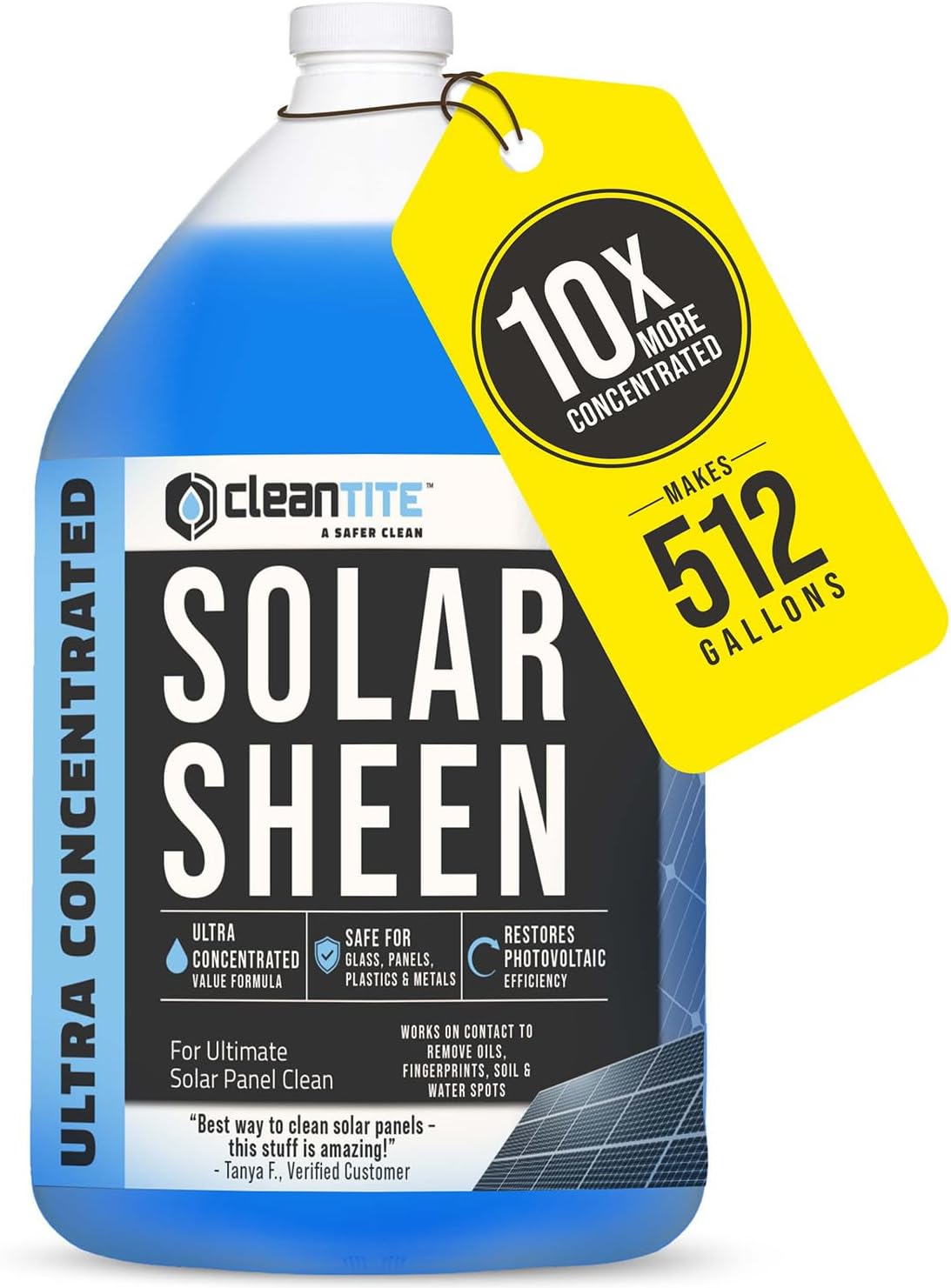
Solar Panel Cleaning Soap / Eco-Friendly Detergents
Most solar panel manufacturers recommend non-abrasive, biodegradable soap.
What to Look For
- pH neutral
- Non-corrosive
- No chemicals that leave residue
These detergents help remove:
- Bird droppings
- Sticky pollen
- Oily dust
Safety Equipment (Most Important Category)
Cleaning tools are important, but safety tools matter more, especially for rooftop installations.
Essential Safety Gear
- Roof harness
- Non-slip shoes
- Helmet
- Ladder stabilizers
- Fall-protection anchor points
If you’re not comfortable cleaning your roof, hire a professional.
How to Choose the Best Solar Panel Cleaning Equipment
Ask yourself these questions:
Are your panels easy to reach?
If yes → manual brush or microfiber mop is enough.
If no → water-fed pole or telescopic brush.
How often do you clean?
Frequent cleaning: simple brushes work fine.
Occasional cleaning: a water-fed pole is faster and easier.
Residential or commercial?
Residential: telescopic brush/water-fed pole.
Commercial: rotary cleaning kit or DI water system.
Budget?
Budget-friendly → standard brushes, hose nozzles.
Mid-range → telescopic water-fed kit.
Professional → DI system + rotating brushes.
Best Practices for Cleaning Solar Panels
✔ Clean in the early morning or late afternoon
Cooler temperatures prevent water evaporation and streaking.
✔ Avoid abrasive materials
Never use steel wool, harsh chemicals, or pressure washers.
✔ Rinse first
Removing loose dirt reduces scratching.
✔ Use soft brushes or microfiber
These protect the tempered glass surface.
✔ Don’t walk on solar panels
They can crack or lose efficiency.
FAQ: Solar Panel Cleaning Equipment
What is the best solar panel cleaning equipment for homeowners?
A telescopic water-fed pole with a soft brush is the most effective and beginner-friendly option.
Can I clean solar panels with normal soap and water?
Yes, as long as the soap is non-abrasive and biodegradable. Avoid anything that leaves residue.
Do I need deionized water?
No, but DI water eliminates spots and gives a professional finish. Highly recommended if you want perfect results.
How often should I clean my solar panels?
Most homes benefit from 2–4 cleanings per year, depending on the region.
Can dirty solar panels reduce power output significantly?
Yes, in dusty environments, dirty panels may lose 10–30% efficiency or more.
Is professional solar panel cleaning worth it?
For large systems or hard-to-reach installations, yes, it saves time, increases safety, and prevents damage.
Conclusion
Choosing the best solar panel cleaning equipment depends on your system size, location, and cleaning habits.
Whether you’re a homeowner or a commercial installer, investing in the right tools ensures your solar panels remain efficient and productive year-round.
